
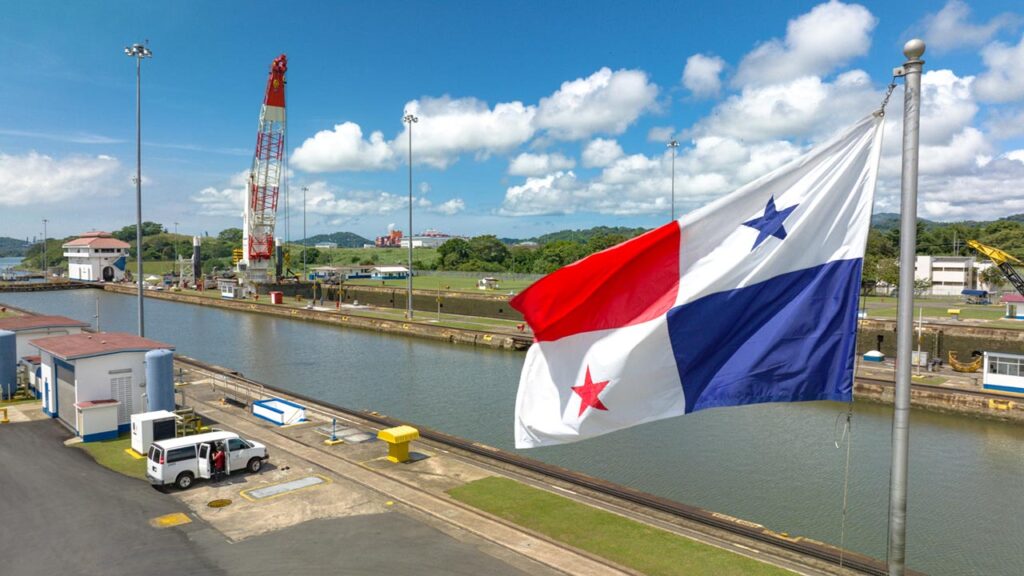
Panama's Strategic Position as a Logistics Hub and Its Impact on the Packaging Industry
Panama's strategic location has established it as a key logistics hub, significantly impacting the packaging industry through increased demand, technological advancements, and a focus on sustainability.
Panama's Strategic Position as a Logistics Hub
Panama's unique geographical location has solidified its role as a pivotal logistics hub in the Americas. The country boasts a world-class infrastructure that includes:
- Ports on Both Oceans: Panama is the only country with ports on both the Atlantic and Pacific Oceans, facilitating efficient maritime trade routes.
- Comprehensive Rail System: The interoceanic railway connects the Atlantic and Pacific ports, enhancing cargo movement across the country.
- Advanced Air Connectivity: The Tocumen International Airport serves as a major hub, connecting Panama to 90 destinations in 38 countries, making it the best-connected in Latin America.
These assets have positioned Panama as a leading logistics center, attracting global trade and investment.
Impact on the Packaging Industry
The surge in Panama's logistics activities has significantly influenced the packaging industry, particularly in the corrugated cardboard sector. Key developments include:
Increased Demand for Packaging Solutions
The expansion of reexports through the Colon Free Trade Zone (ZLC) has led to a heightened need for reliable and efficient packaging solutions. In the first ten months of 2025, reexports reached B/. 11,505 million, marking a 12.2% increase from the previous year. This growth underscores the necessity for packaging that ensures product safety and integrity during transit.
Technological Advancements and Integration Services
To maintain competitiveness, the packaging industry is embracing technological innovations. The Expo Logística Panamá 2025 highlighted advancements such as:
- Digitalization of Processes: Implementing digital tools to streamline packaging operations and improve efficiency.
- Automation: Utilizing automated systems to enhance packaging speed and consistency.
- Data Analytics: Leveraging data to optimize packaging designs and materials, reducing costs and environmental impact.
These technologies not only improve operational efficiency but also support sustainability initiatives by minimizing waste and energy consumption.
Focus on Traceability and Sustainability
There is a growing emphasis on traceability and sustainability within the packaging sector. The implementation of blockchain technology is enhancing transparency in the supply chain, allowing stakeholders to track products from origin to destination. Additionally, the adoption of sustainable materials and practices is reducing the environmental footprint of packaging operations.
Agile Maintenance and Rapid Response from Suppliers
In the fast-paced logistics environment, the packaging industry requires suppliers who can provide:
- Quick Turnaround Times: Ensuring timely delivery of packaging materials to meet tight schedules.
- Responsive Customer Service: Addressing issues promptly to minimize disruptions in the supply chain.
- Flexible Solutions: Offering customizable packaging options to accommodate diverse product requirements.
Suppliers who can meet these demands are integral to the smooth operation of logistics and distribution networks.
Conclusion
Panama's strategic position as a logistics hub continues to drive growth and innovation in the packaging industry. By embracing technological advancements, focusing on sustainability, and ensuring responsive service, the sector is well-equipped to meet the evolving needs of global trade.
Enjoying this article?
Register free to save and share.